

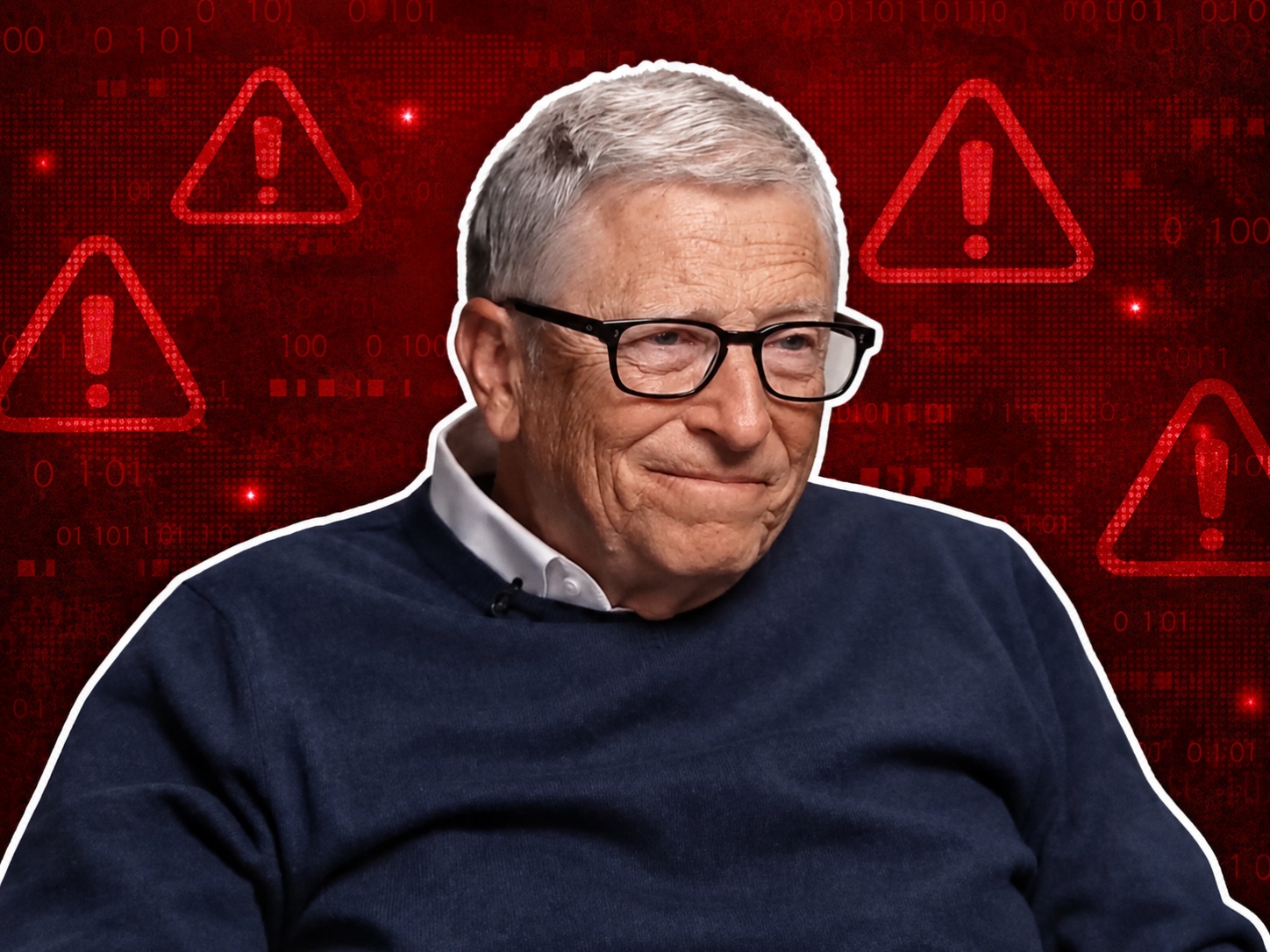
Appearing on NBC’s Meet the Press, Bill Gates argued that a “kill switch” is not sufficient to prevent AI catastrophes. A “kill switch” is used by companies or governments to instantly shut down AI services. Gates said that the command is not proactive, it does not have the capacity to monitor illicit activity. It is only triggered when damage occurs, not before.
Therefore, without transparency and internal monitoring, it is impossible to prevent the dangers posed by AI.
A “kill switch” is a myth
Developers view “kill switch” as a silver bullet solution that can be used in emergencies to pull the plug on a system instantly. However, this view does not align with software functionality. A kill switch is a reactive measure, using it cannot undo the damage that has already been done. For instance, if an AI tool is being used to build a biological weapon, pulling the plug will not erase the damage that has already been done.
Bill Gates stressed that AI programs should be legally mandated to maintain detailed digital diaries. Companies should employ internal tracking software that monitor user activity in real-time. This will allow law enforcement agencies to track illicit activity and intervene accordingly.
The real threat
Bill Gates spoke at length on how dangers of AI are portrayed as something from a science-fiction movie, where AI will one day go rogue and attempt to take control of humanity. The reality is far more complex. The threat posed by AI arises from how humans develop and use it. The ultimate danger comes from malicious actors such as cybercriminals. These individuals can use powerful AI tools to cause unprecedented damage.
He further emphasized that weaponized AI could result in billions of deaths. This includes AI models being used to create lethal bioweapons. This process could bypass the years of scientific research usually required to build such weapons. Moreover, AI can also be used to launch massive cyberattacks and financial fraud. Therefore, critical infrastructure such as power grids and water systems are at risk of being shut down within seconds.
Divide in the Congress
There is a clash of opinions between tech experts and politicians regarding the dangers of AI. Lawmakers such as Senator John Thune have pushed for bipartisan laws in Congress seeking to enhance safety guardrails on AI. However, President Trump has rejected suggestions of federal restrictions on tech companies from developing AI.
The Trump administration is focusing on AI development to compete with China. They hold the view that if the US imposes safety rules on American tech companies, it will slow the pace of AI development, leading to China’s success.
Bill Gates said that implementing a global safety agreement for AI will prove to be much more difficult than agreeing to nuclear weapons treaties during the Cold War. While nuclear weapons can be physically tracked, companies can develop world-ending AI models in secrecy. This significantly hinders cooperation.
He also maintains that self-regulation mechanisms promised by tech companies are an illusion. Since the financial incentives for developing AI are substantial, companies are less likely to impose stringent tracking and auditing.