

Anthropic said it disrupted several attempts by scientists to use its Claude (AI) artificial intelligence models for research that could have supported the development of biological weapons, highlighting the growing difficulty of separating legitimate scientific work from potentially dangerous activity.
The company disclosed the cases in a report published Thursday covering misuse it detected and stopped between December 2025 and August 2026. Anthropic said some of the activity involved researchers linked to states or operating in regions where access to its services was restricted.
Dual-use research raises concerns
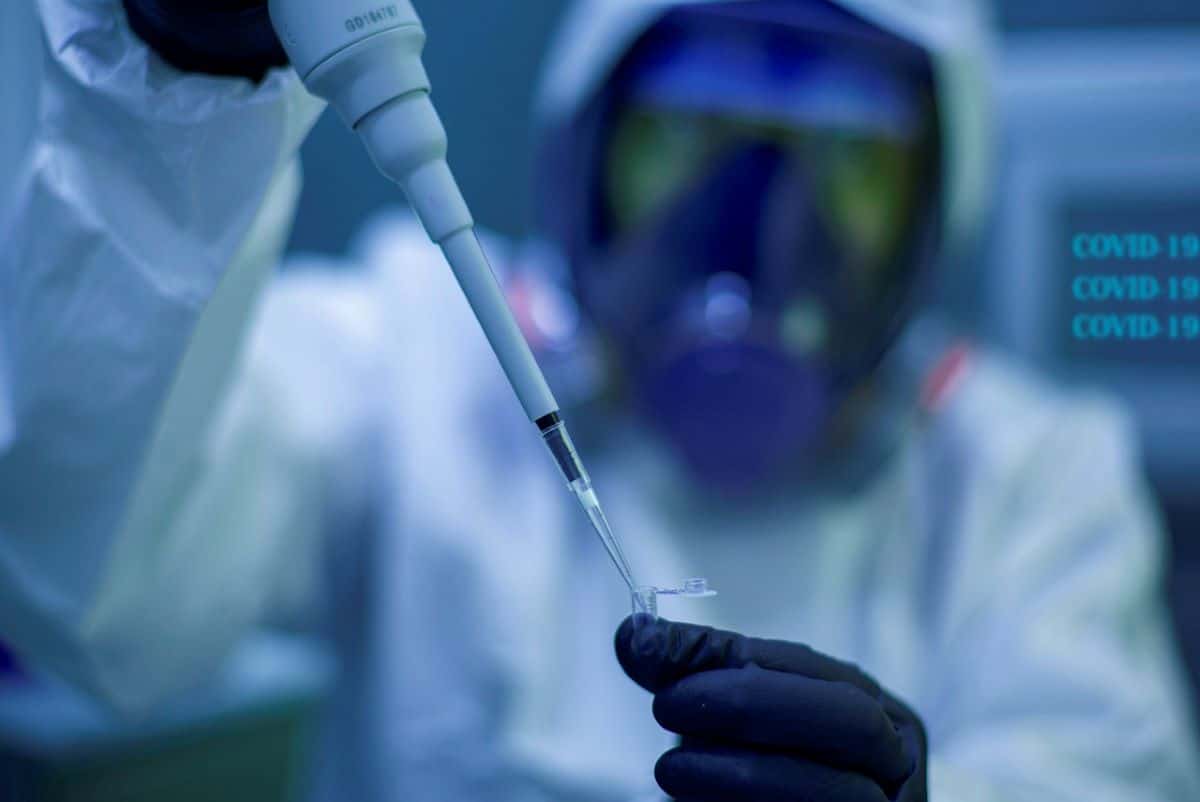
Anthropic said the cases were difficult to assess because many techniques used in advanced biological research can serve both legitimate and harmful purposes. Work that could contribute to vaccines or disease prevention, for example, may also be used to make pathogens more dangerous.
One case involved a scientist who asked Claude for help preparing a grant application for gain-of-function research involving the chikungunya virus. According to Anthropic, the proposed work included engineering mutations intended to make the virus more harmful as it was repeatedly passed through live animals. The company said the research was expected to take place at a military research institute, which increased its concern.
In another case, a researcher outside the United States used Claude to plan experiments involving highly pathogenic avian influenza and its adaptation to mammals. Anthropic said its safety systems prevented the researcher from using its more capable models for the work, leaving access only to a weaker model that could provide more limited assistance.
Anthropic tightens safeguards
Jacob Klein, Anthropic’s head of threat intelligence, told The New York Times that the situations were rarely as straightforward as a user openly declaring an intention to build a biological weapon. Instead, the company often had to judge scientific requests whose ultimate purpose was unclear.
Anthropic said advances in its newer A.I. systems have made them increasingly capable of handling complex scientific tasks, prompting the company to strengthen controls around biological research with potential dual-use applications.
The company said it banned accounts connected to the activity it identified, shared relevant information with authorities and industry partners, and used the incidents to improve its safeguards. Its report also described other alleged misuse of Claude involving cyberattacks, surveillance, influence operations and work related to conventional weapons.