

Scientists are cautioning that the underwater megathrust fault responsible for Japan’s 2011 earthquake and devastating tsunami is once again accumulating strain, Daily Mail reports. This raises considerable threat of another powerful earthquake and subsequent tsunami could potentially hit the US West Coast sooner than initially expected.
Published in the journal Science, a study suggests that rapid building of seismic stress indicates a occurrence of a major fault slip. It compares this to the recent Magnitude 8.8 Kamchatka earthquake.
The Scope of Threat
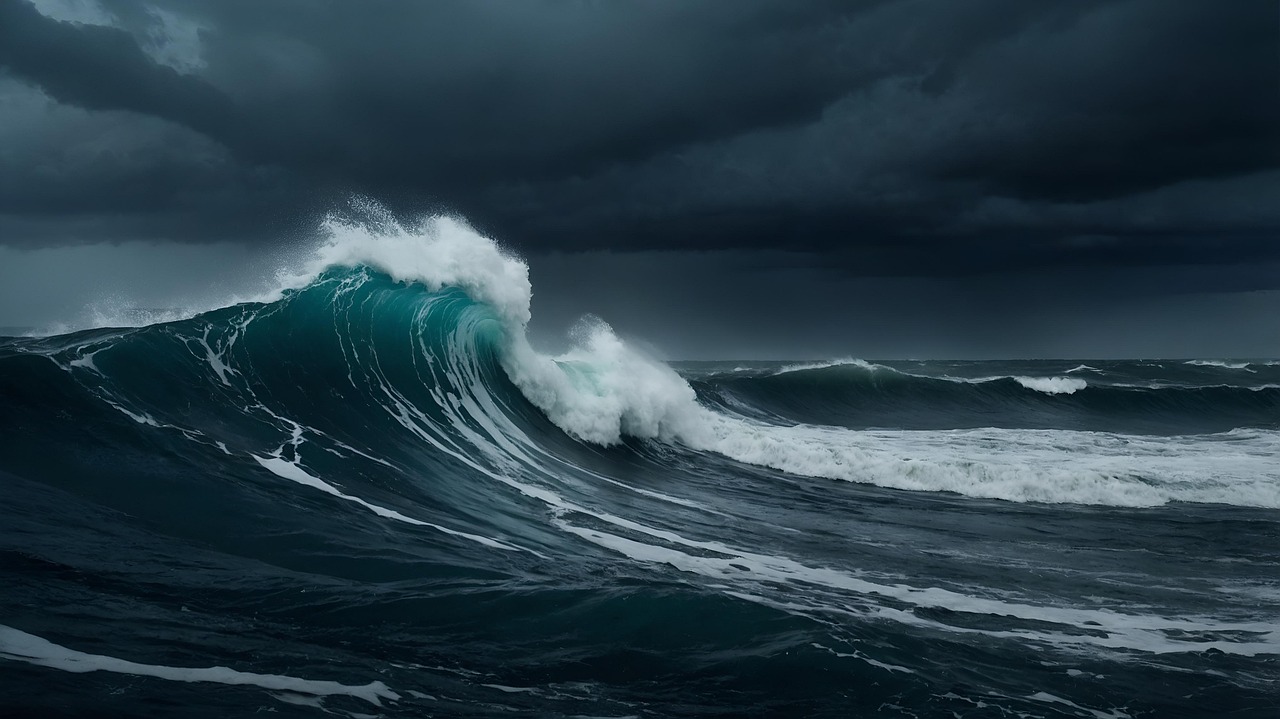
Scientists explain that the underwater megathrust fault has regained its locked state. This means that the tectonic plates are essentially stuck and accumulating strain as the surrounding tectonic plates continue moving. When this pressure eventually releases, it could cause substantial movement of the seafloor. As a result, a destructive tsunami with its waves travelling across the Pacific Ocean could be triggered.
Experts note that US West Coast and Pacific territories stand directly in the line of danger. Therefore, emergency management organizations such as the US Tsunami Warning System has identified natural warning signs. These signs have been identified as long-lasting earthquake of up to 20 seconds of more. Residents should instantly move to higher ground when an earthquake of this nature strikes.
Residents are warned that an unexpected receding water at the shoreline is also a warning sign that a tsunami is minutes away. Moreover, it is important to note that successive waves of a tsunami can arrive anywhere between minutes to an hour of each other.