


Statements from Japan’s Disaster Management Minister indicate that Japan is preparing to issue a national “emergency request” on November 2, 2026. The announcement coincides with the official launch of Japan’s National Disaster Management Agency on November 2, 2026. The emergency request aims to urge all households to stockpile essential survival supplies.
Moreover, the new national agency will strengthen coordination across the country regarding disaster planning, immediate emergency response, long-term recovery, and reconstruction. Unlike recent warnings by European states, Japan’s directive is limited to natural disaster readiness.
The Need for Natural Disaster Readiness
The agency is focusing on enhancing readiness for a series of high-consequence, inevitable natural catastrophes. These include a predicted megaquake along the Nankai Trough and a near-field earthquake directly beneath the Tokyo metropolitan area. Scientists have also predicted a potential eruption of Mount Fuji. The massive scale of these disasters could overwhelm the existing regional emergency infrastructure.
The state’s primary rescue bodies, including the Self-Defense Forces, police, and fire departments, play a central role in active search-and-rescue operations. They also work to extinguish major urban fires and ensure power to critical trauma hospitals. Therefore, residential neighborhoods must function as independent survival zones. In these circumstances, civilians cannot rely on municipal water trucks or public food distribution lines during the critical phase of a crisis.
Three-Day Survival Window
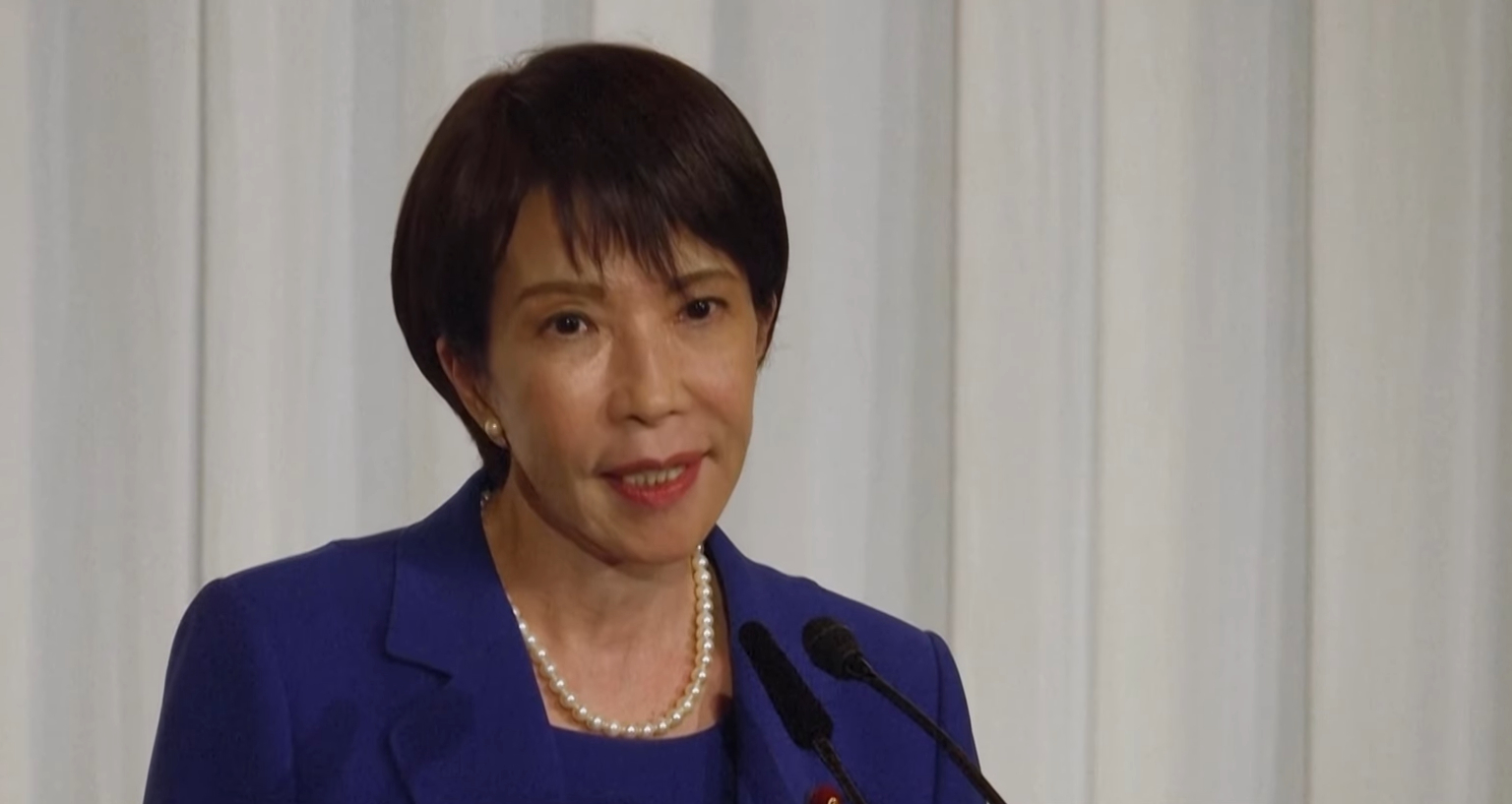
The emergency request lays down a self-sufficiency window of at least three days. However, the Disaster Management Minister Gishi Hosono emphasized that a one-week supply is recommended wherever possible.
The three-day period reflects the logistical realities of natural disasters. Major earthquakes destroy transport networks and impact physical supply chains, preventing commercial trucks from stocking grocery stores and distribution centers. The government is urging citizens to integrate their survival reserves into their daily routines. Instead of buying mass-produced emergency rations that sit in a closet until expiration, citizens are advised to purchase slightly larger quantities of regular household essentials.
This approach reduces consumer waste and ensures families are accustomed to the food they rely on during high-stress scenarios. It also prevents sudden panic-buying.
Geopolitical Context
The simultaneous announcements of civilian preparedness campaigns in both Japan and the United Kingdom reflect a broader shift in how modern states perceive national resilience. Governments are increasingly transferring the responsibility of initial crisis management to individual citizens.
In the United Kingdom, the launch of the “Be Ready” campaign is a direct response to escalating international friction. The British state is preparing its population for the unpredictable disruptions of modern state-sponsored warfare. In contrast, the Japanese state is focusing on strengthening resilience frameworks against natural disasters.