
Meta has switched on a tool that lets people tag any public Instagram account and use that account’s photos to build AI-generated images. Public accounts are opted in by default. The company rolled out the feature on July 7, 2026, alongside its new AI image model, Muse Image. If your account is public and you do nothing, other people may create AI pictures using your posts, reels and profile picture. Meta’s own policy, cited by Malwarebytes, says users get no notice when this happens.
The move has drawn sharp criticism from privacy advocates and everyday users. Newsweek reported that critics argue public Instagram content can now feed AI-generated images unless people actively turn the setting off. The BBC reported a similar backlash. It noted that Muse Image can generate pictures using other people’s profile photos without telling them first.
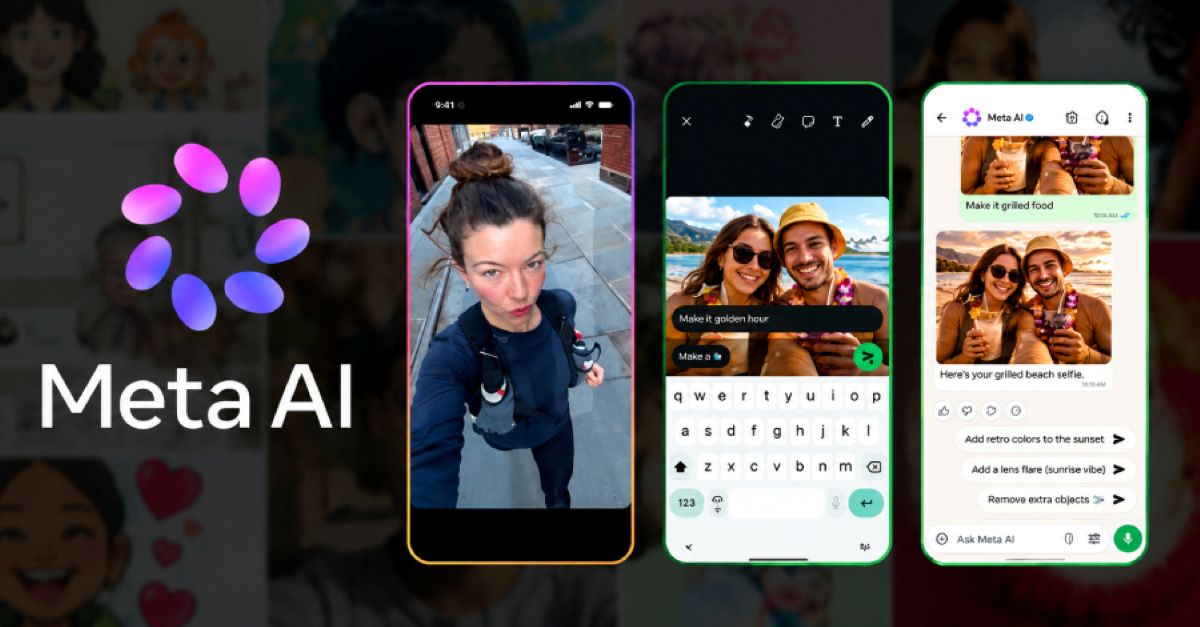
Here is how the tool works, based on Meta’s own posts and help pages. Muse Image is being built into Instagram, the Meta AI app and WhatsApp. First, a user opens Meta AI and types a prompt. Then they add an @-mention of a public account. The tool can then pull from that account’s public photos, videos or reels to create something new. Meta describes it as a personalization feature.
“Whether you want to design a custom event invitation, mock up a collaborative creative concept, or generate a personalized graphic, tagging a username lets Meta AI use public photos to build a visual that’s ready to post,” the company said in a blog post quoted by WIRED and The Hacker News.
Muse Image is Meta’s first image-focused model from its Superintelligence Labs division. The company says it can better understand complex prompts and blend several photos into one polished image. WIRED reported that Meta is aiming the tool at rivals from OpenAI and Google. The Hacker News reported that Muse Image is also landing in WhatsApp and Instagram Stories for AI-powered effects and direct chat image generation.
So far, the rollout is limited. WIRED reported the Instagram updates are launching first in the United States. The Hacker News said the wider feature set is starting in only a handful of countries.
How to turn it off
Users can opt out through Instagram’s settings. First, open the Instagram app and tap your profile. Then tap the three lines in the top-right corner and scroll to “Sharing and reuse.” There, find the section labeled something like “Allow people to reuse your content on Instagram and with AI features at Meta.” Turn off the toggles for both Posts and Reels.
The exact wording may differ depending on your app version, because the setting is still rolling out. WIRED’s Reece Rogers said that when he checked his own account, the new language had not appeared yet. Switching your account to private also blocks the feature entirely.
The catch, and why critics object
Turning the setting off only stops future use of your photos. Malwarebytes reported that any AI images already made before you flip the switch may keep circulating. Malwarebytes said going private is the closest thing to full protection right now.
There is another wrinkle, too. Meta’s own help page, says content reused this way may still show up in search engine results, depending on another user’s settings. Meta’s policy also states plainly: “You will not be notified about content created using AI features.” Malwarebytes said that leaves users with almost no way to know when or how their likeness has been used.
The core complaint from privacy advocates, comes down to one thing: the feature is opt-out, not opt-in. Critics say most users will never notice their public photos can be used this way unless they go digging through settings themselves.