


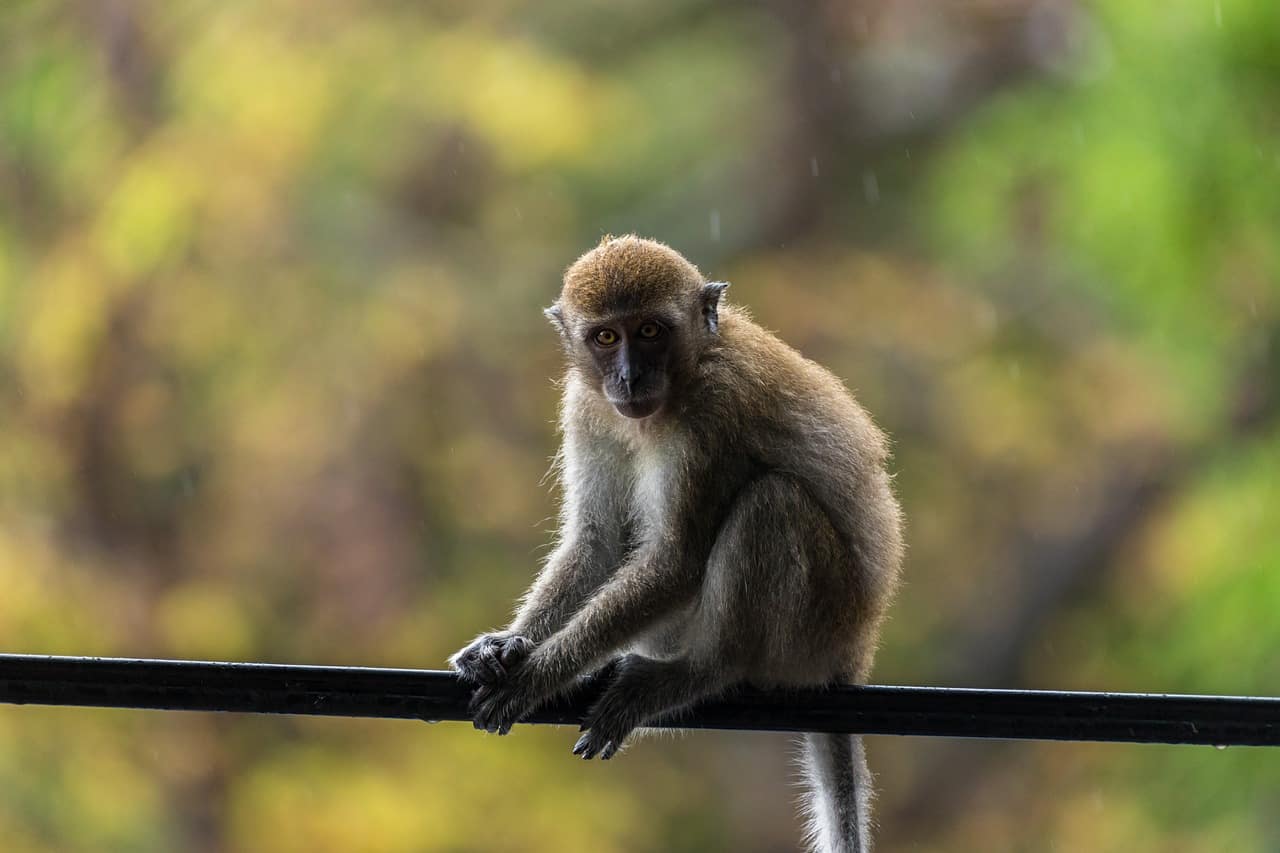
Russian scientists are studying elderly monkeys to analyze anti-aging mechanisms. The research focuses on ways to extend human lifespan. The Kurchatov Institute in Moscow, headed by Mikhail Kovalchuk, is leading the research. The institute has also partnered with the Petrovsky Russian Research Center of Surgery. This collaboration will assist in building a blood sample bank from elderly primates.
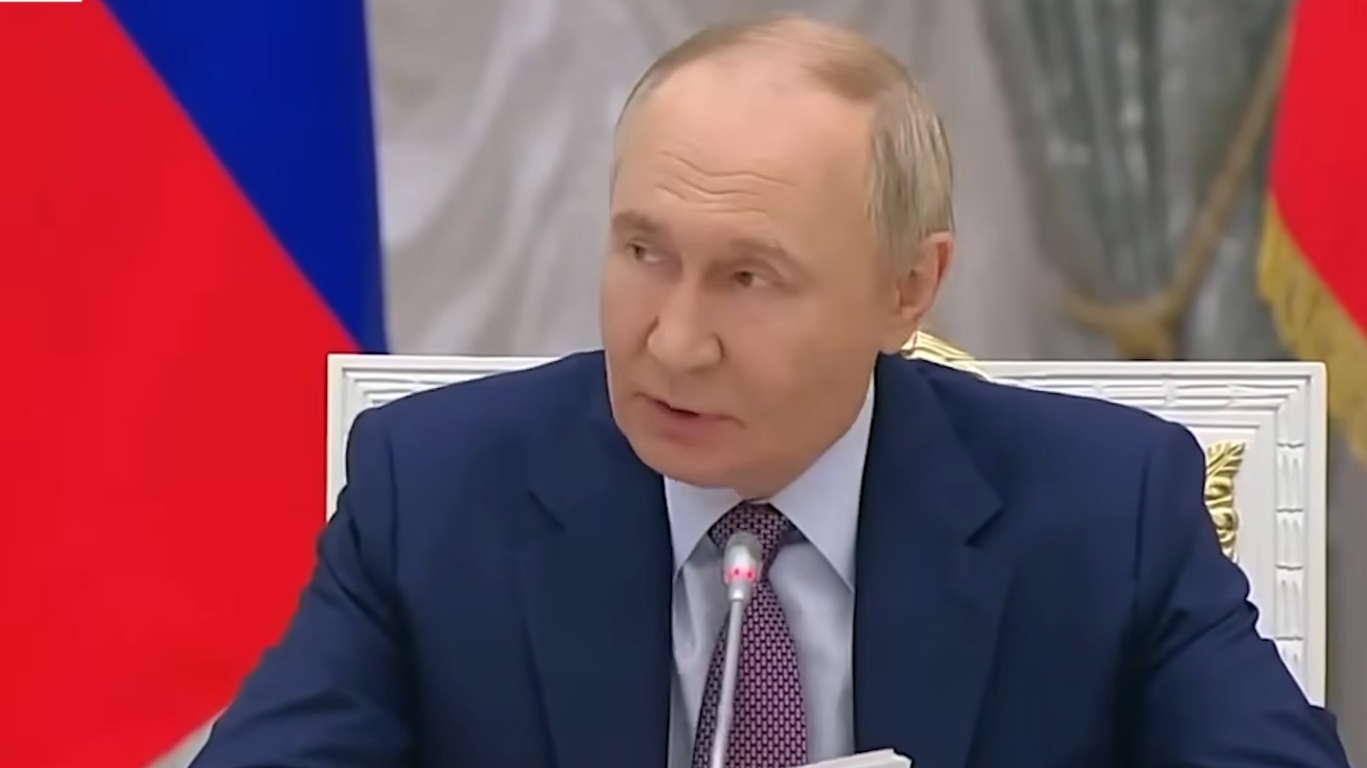
The study aligns with President Vladimir Putin’s interest in longevity.
Study Cohort
The study involves over 7,000 primates across 22 species that are currently housed in the institutes facility. Key species include rhesus macaques and cynomolgus macaques since these share approximately 93% of their genomic identity with humans. The ages of these monkeys range from 18 to over 30 years. Since captive macaques have a life expectancy of approximately 25 to 30 years, primates over 30 years of age are well into old age when assessed by human standards.
Scientists are using biochemical tests and structural, vascular, and brain scans on these animals to determine the natural progression of aging.
By mapping the biological stages of natural aging in various organs, scientists will establish a foundational framework for extending human life expectancy. The primate blood bank samples will be used to study cellular and molecular biomarkers of slow aging.
Political Context
Mikhail Kovalchuk is President Putin’s science adviser. He is recognized as the primary driving force for urging the Russian government to fund anti-aging programs. Putin’s elder daughter, Maria Vorontsova, an endocrinologist, is also heavily involved in federal genetics initiatives. In October 2026, she spoke at the launch of a longevity policy laboratory at the Skolkovo Moscow School of Management. She noted that humanity’s universal fear of death will result in medical breakthroughs within the next 10 to 20 years to cheat nature.
Putin turned 74 in October 2026. Analysts link Russia’s prioritization of longevity studies to Putin’s anxieties about aging and a lack of clear succession planning.