


- MPs warn of Notre Dame-like fire risk and catastrophic failure that could destroy heritage and cause injury or loss of life.
- Crumbling masonry, ageing electrics, frequent leaks, and high asbestos levels are jeopardizing safety across the centuries-old Palace of Westminster.
- Delays are spiraling costs: each year adds about £420 million, and weekly estate maintenance will rise from £1.5 million to £2 million.
- Political deadlock over restoration options delays work until about 2032; choices range from a £15.6bn 24-year decant to a £39bn 61-year partial plan.
Britain’s centuries-old parliament is at risk of a “Notre Dame-like” fire or other catastrophe if lawmakers continue to put off a major restoration project, MPs warned Wednesday.
Crumbling masonry, ageing electrics, frequent leaks and high asbestos levels are some of the problems besetting the Palace of Westminster, parts of which are over 900 years old.
Billions of pounds are required to renovate the estate, which sits within a UNESCO world heritage site, but parliamentarians have been unable to decide for years on how to proceed.
Parliament’s public accounts committee said the delay was leading to spiralling costs and risked causing a “catastrophic failure” that would harm the UK’s “morale and reputation”.
“A lack of action risks, for instance, the chamber being plunged into darkness during the state opening of parliament,” said chair Geoffrey Clifton-Brown MP, referencing when the monarch comes to the lower House of Commons to read out the government’s legislation plans.
“Consider the impact of global rolling news footage of Notre Dame-like flames licking out of the building’s roof, resulting in the destruction of our heritage, or worse, injuries or loss of life.
“These are not notional possibilities, but real and rising risks,” he added.
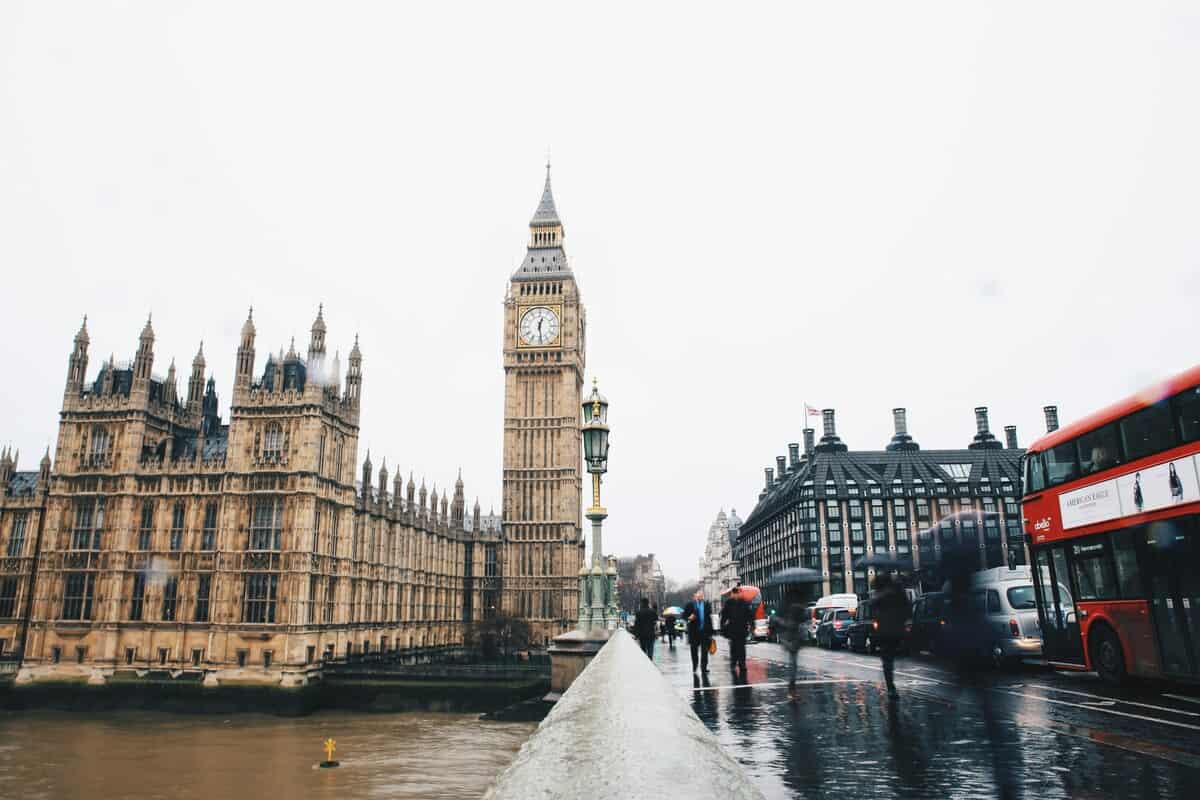
Most of the central London site, including the internationally recognised Elizabeth Tower commonly known as Big Ben, was built during the 1800s when Queen Victoria was on the throne.
Parliamentarians first voted to move out of the central London site in 2018 to allow extensive repairs. But there has since been disagreement about whether this should go ahead.
A series of votes is expected in both the House of Commons and the upper House of Lords chamber on the so-called Restoration and Renewal programme later this year.
The current options include a “full decant” costing up to £15.6 billion and lasting up to 24 years, where both houses leave for much of the works.
A partial decant called “enhanced maintenance and improvement plus” where no more than 30 percent of staff would stay on site at any one time is projected to cost £39 billion and take up to 61 years.
Current timescales predict that work would start in 2032.
In its report, the committee warned that the weekly cost of maintenance on the parliamentary estate is expected to grow from the current £1.5 million to £2 million in coming years.
Each year the programme is delayed will add £420 million to the lifetime costs of delivering the scheme, it added.