

- NATO will send additional assets to the Black Sea, including surveillance, reconnaissance and forensics support.
- Alliance leaders pledged unity and readiness to address threats and keep one billion people safe.
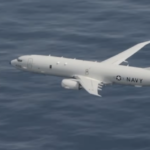
- A US P-8 Poseidon began Black Sea patrols after Bulgaria requested help; Sofia expects further NATO assistance.
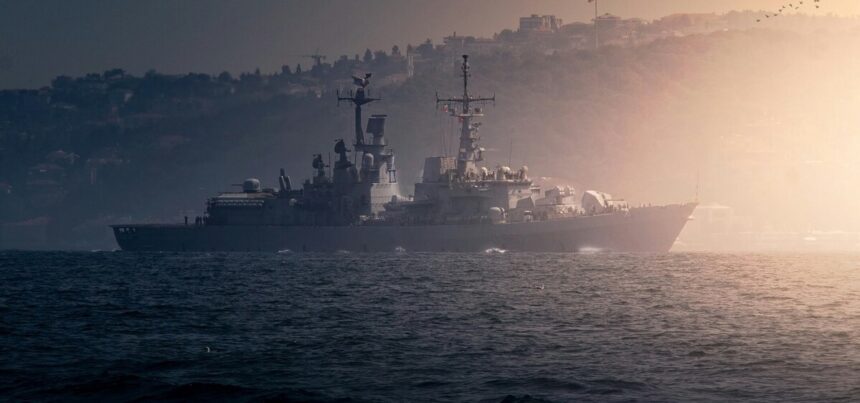
- Recent drone strikes off Bulgaria and Romania left scores of sailors missing and raised alarms over alleged Russian hybrid attacks on maritime routes.
NATO said Tuesday it will deploy “additional assets” to the Black Sea after a string of drone strikes off Romania and Bulgaria in the latest spillover from Russia’s war on Ukraine.
“NATO will be sending additional assets to the region, including support for surveillance, reconnaissance, and forensics,” NATO spokeswoman Allison Hart posted online after a meeting of alliance ambassadors in Brussels.
“We will continue to stand united and ensure that we are ready and able to address any threat and to keep our one billion people safe,” she added.
The announcement from NATO came after Bulgaria’s Prime Minister Rumen Radev said that a US military plane had started to patrol the Black Sea following a plea for help after recent drone attacks.
“An American P-8 Poseidon… has begun patrolling the Black Sea to conduct reconnaissance missions and detect any activity that could pose a risk,” said Radev.
He said some NATO countries were quick to answer his call for help after the attacks and that Sofia expects “further assistance”.
The spate of strikes on ships in the waters off NATO and EU members Bulgaria and Romania have left more than a score of sailors missing and stirred condemnation in Europe.
The European Union’s top diplomat Kaja Kallas on Tuesday said that “six attacks in 10 days by suspected Russian drones marks a dangerous and unacceptable escalation”.
Kallas accused the Kremlin of once again stepping up efforts to hit exports of Ukrainian grain via the Black Sea in a bid to starve Kyiv of revenues.
She warned that the latest strikes were adding to a “perfect storm” facing global food supplies already being battered by droughts in multiple regions and the war in the Middle East.
The attacks have also compounded worries at NATO over what is seen as increasingly reckless actions by Moscow at a time when its forces are bogged down in Ukraine.
NATO and the EU are grappling with what they say is a “hybrid” campaign of sabotage and interference by the Kremlin aimed at undercutting Western support for Kyiv.
NATO has sought to signal to Russia to tamp down its actions after high-profile incidents over the summer, including the discovery of an explosive-laden drone at a German airport.