


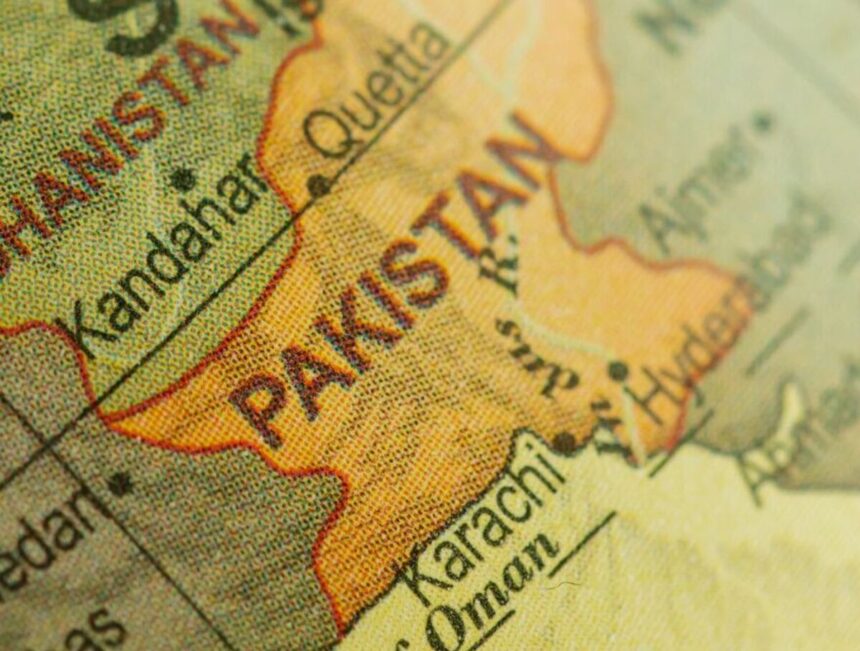
The question of whether Pakistan would benefit from more provinces has been part of the political discourse since the country’s inception. The issue repeatedly makes headlines, features in political debates, and comes to the forefront during protests every few years. Proponents of this idea advocate for 12 or more administrative units, while those in opposition argue that this threatens the unity of the country.
Domestic Proposals for More Provinces
Powers were devolved to the provinces as a result of the 18th Constitutional Amendment in 2010. However, the provinces argue that these powers were not truly transferred. Proponents in South Punjab, particularly Bahawalpur, contend that Punjab is roughly 53-56% of Pakistan’s territory. The province houses 127 million people. They argue that a single chief minister is unable to effectively administer this vast territory. Moreover, people from South Punjab note that development funds and resources are disproportionately invested in central and northern Punjab, while southern districts are largely ignored. These regions face high poverty rates, low maternal mortality, and weak literacy levels. Moreover,
Hindko-speaking residents of the Hazara region raise concerns about being grouped under the Pashtun ethnicity. They argue that they are treated as a second-class minority in Khyber Pakhtunkhwa. Apart from identity and language exclusion, there are concerns of unfair resource allocation. Hazara hosts Tarbela Dam and key China-Pakistan Economic Corridor (CPEC) transit routes. However, royalties from these projects and transit taxes are consumed by Peshawar. Moreover, Hazara lawmakers are in the minority in the KP Assembly, which means their interests are seldom considered in political decisions.
Karachi raises the concern of extreme fiscal drain. It generates over 60% of Pakistan’s federal tax revenue. However, this money is utilized in projects that largely benefit rural interior Sindh, where the ruling party’s voting bank is concentrated. In contrast, Karachi suffers from chronic water shortages and broken infrastructure because the provincial government refuses to devolve power.
Proposals call for dividing Balochistan into three administrative units. The province covers 44% of Pakistan’s land mass. This means that, for people living in remote areas, travelling to Quetta for a court hearing or a medical visit requires extensive travel across harsh terrain. Moreover, regions in the southern coastal belt argue that CPEC and Gwadar Port projects rarely benefit the locals who face a severe shortage of basic necessities. In addition, the Pashtun-majority northern belt and the Baloch-majority central/southern belt remain divided over the limited provincial budget.
International Community Weighs In
China has emphasized that CPEC could benefit greatly from a dedicated Gwadar/South Balochistan or Hazara administrative unit. This would streamline bureaucratic processes such as local land acquisition, security clearances, and basic utility approvals that currently face major delays.
Moreover, global institutions such as the World Bank and Asian Development Bank (ADB) have emphasized that Karachi suffers from a governance crisis. While they pour in millions of dollars to improve the city’s infrastructure, the Sindh provincial government controls the city’s agencies, which effectively leaves Karachi’s mayor with little control over how funds are utilized.
Foreign policy analysts also point out that more provinces would prevent separatism. When remote border populations feel neglected, militant groups can exploit this sentiment. Balochistan’s border regions are especially susceptible to this threat. Therefore, creating smaller and locally accessible administrative bodies would enhance governance.
Ultimately, the country is likely to benefit from smaller administrative units for balanced economic growth, fairer resource sharing, and long-term stability.