

Governments across the United States and Europe are strengthening emergency preparedness as concerns grow over potential military conflicts, cyberattacks and disruptions to critical infrastructure. At the same time, disaster management experts in Australia are urging households to prepare for emergencies that could interrupt essential services and supply chains.
The United States, United Kingdom and France have placed renewed emphasis on national resilience, although their approaches differ. The measures range from efforts to make US military installations self-sufficient to public guidance encouraging families to keep emergency supplies at home.
While some initiatives focus on potential wartime disruptions, others are designed to help communities cope with natural disasters, power outages and other emergencies.
The US FORTRESS initiative
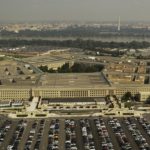
US Defense Secretary Pete Hegseth announced the FORTRESS America initiative on September 30, 2026, as part of a broader effort to strengthen military readiness and reduce reliance on vulnerable civilian infrastructure.
FORTRESS stands for Federal Operations for Resilience, Troop Resources, Energy, Supply, and Survivability.
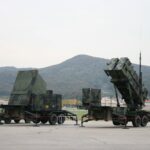
According to Fox News, the Pentagon is working toward a requirement for major US military installations to sustain essential operations independently for at least 90 days, including access to electricity, water, fuel and communications.
The initiative envisions portable nuclear microreactors, independent electrical grids and large-scale battery storage systems. These technologies could allow military installations to continue operating if civilian power networks are disrupted by cyberattacks, sabotage or other emergencies.
FORTRESS also focuses on strengthening domestic supply chains and building strategic reserves of critical minerals, ammunition, fuel and medical supplies. The objective is to maintain military operations even during prolonged disruptions to global supply networks.
The strategy comes amid longstanding warnings from US cybersecurity agencies about threats to critical infrastructure. In particular, authorities have identified the China-linked hacking group Volt Typhoon as having compromised networks in sectors including communications, energy, transportation and water systems.
The UK’s ‘Be Ready’ campaign
The UK government launched its Be Ready campaign on October 22, 2026, encouraging households to prepare for potential disruptions to essential services.
The campaign advises residents to maintain enough basic supplies to cope with three days of emergencies, including severe weather, flooding, power failures and other incidents affecting everyday infrastructure.
The recommended supplies include bottled water, non-perishable food, torches, batteries, essential medication and battery-powered or wind-up radios.
Authorities are encouraging households to build their supplies gradually rather than purchasing everything at once. The updated campaign builds on emergency preparedness guidance the government has provided since 2024.
The initiative comes alongside warnings from UK Defence Secretary Wes Streeting about growing military threats.
In an article published in The Telegraph, Streeting warned that adversaries could develop the military strength and wartime economic capacity to launch attacks by 2030. He said Britain and its NATO allies had just over 1,000 days to strengthen their readiness.
Meanwhile, British retailers have reported increased demand for emergency supplies following the campaign’s launch.
Sales of bottled water, canned food, torches and other essentials have risen at some retailers. Toilet paper suppliers have also reported increased purchases, with Cheeky Panda recording a 43% rise in sales compared with the same period last year and Serious Tissues reporting a 36% increase over five days.
Retailers and government officials have emphasized that emergency preparedness should not lead to panic buying.
France’s 72-hour emergency guidelines
France has also emphasized the importance of household emergency preparedness, advising citizens to maintain enough essential supplies to last at least 72 hours.
According to French government guidance, households should prepare an emergency kit containing six liters of drinking water per person, non-perishable food, essential medication, a first-aid kit and a battery-powered radio.
Authorities also recommend keeping flashlights, backup batteries, important documents and other necessities in an easily accessible location.
The guidance focuses on the first three days of a major emergency, when rescue operations may be underway and access to essential services could be limited.
French officials encourage citizens to follow emergency instructions, stay informed through official communication channels and help vulnerable people in their communities.
The 72-hour recommendation is part of France’s existing disaster preparedness framework rather than a newly introduced warning of imminent war.
Australian experts urge preparation for natural disasters
In Australia, disaster management experts are encouraging households to maintain emergency supplies as natural hazards and potential supply chain disruptions remain significant concerns.
According to Yahoo News Australia, Associate Professor Lucy Lunevich, a disaster management expert at RMIT University, recommends that Australians keep at least one month’s supply of food to help manage prolonged emergencies.
Her advice reflects concerns that natural disasters could interrupt transportation networks, supermarket deliveries and other essential supply chains.
However, the one-month recommendation is expert advice rather than a nationwide government requirement.
Nichola Krey, the Australian Red Cross Director for Recovery and Resilience, has also urged Australians to prepare for emergencies without resorting to panic buying.
She emphasized that households should gradually build supplies while ensuring they have access to medications, important documents and evacuation plans.
The Australian Red Cross recommends keeping emergency kits containing food, water, communication equipment, first-aid supplies and other essential items.
Unlike military-focused preparedness initiatives, the Australian advice largely reflects the country’s exposure to natural hazards, including bushfires, floods, cyclones and extreme weather.
Growing focus on national resilience
Although the threats and recommendations differ from country to country, the initiatives reflect a broader focus on preparing military installations, essential infrastructure and civilian households for emergencies.
For the United States, the priority includes reducing military dependence on civilian power grids and vulnerable supply chains. In the UK and France, government guidance emphasizes helping households remain self-sufficient during temporary disruptions. Australian experts, meanwhile, are highlighting the importance of disaster preparedness and household planning.
The measures do not necessarily indicate that governments expect an imminent conflict. Instead, they reflect efforts to reduce the potential impact of military threats, cyber incidents, natural disasters and infrastructure failures.