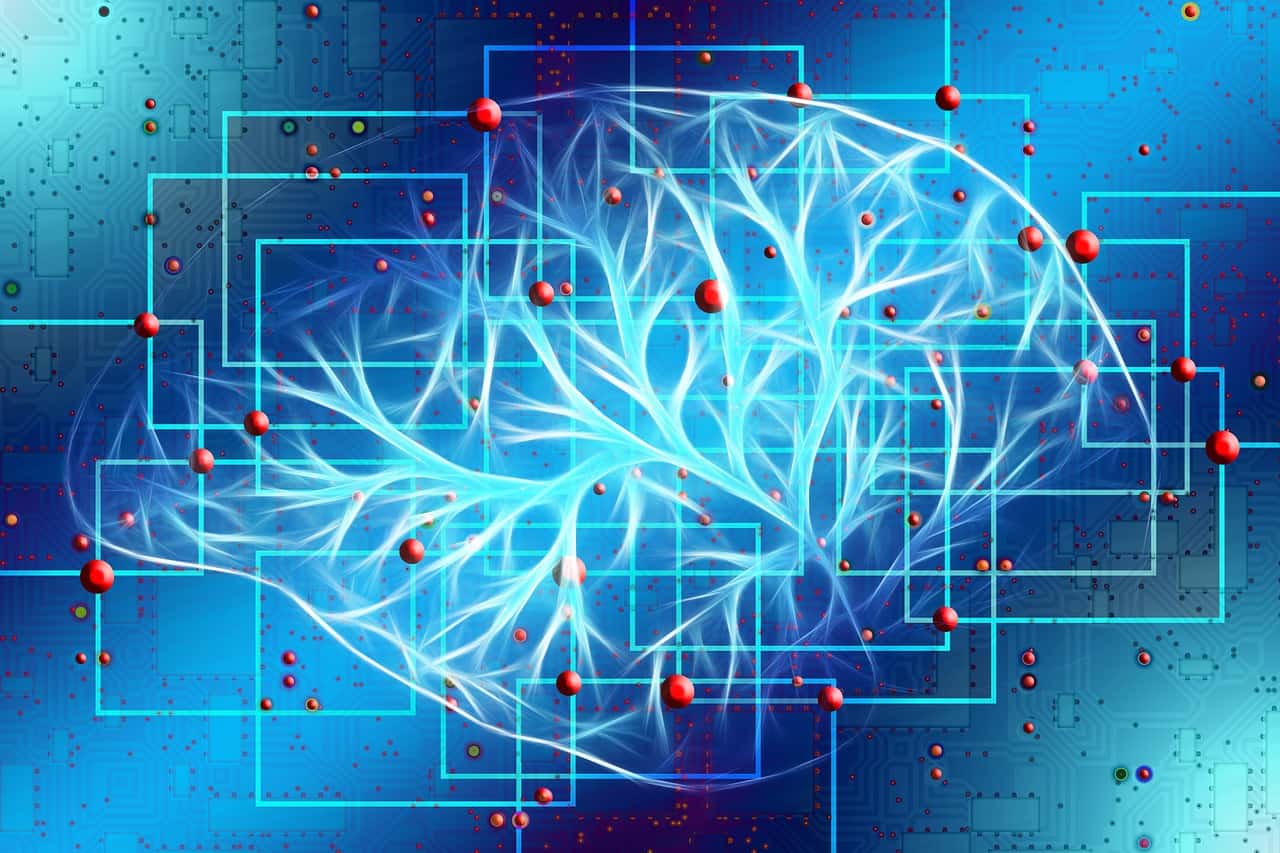


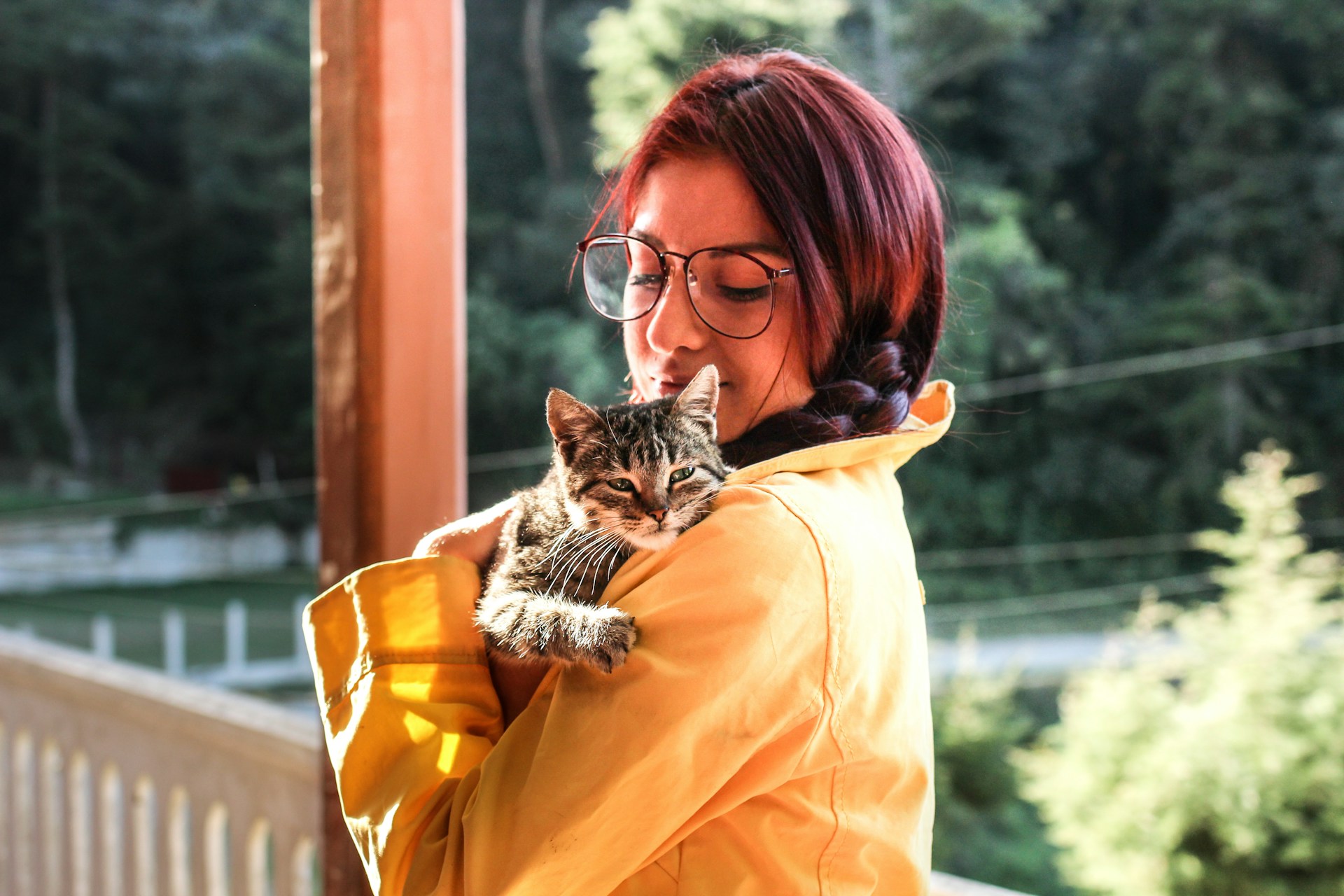
The idea of humans talking with animals may move from the realm of science fiction into reality with scientific breakthroughs made by AI. Researchers have employed large language models (LLMs) to decode complex patterns of animal sounds and behaviors. Experts speculate that a major breakthrough enabling two-way communication may be achieved by 2030 through initiatives such as Coller-Dolittle Prize.
How AI is making it possible for humans to talk with animals
Instead of supervised learning that relies on humans manually deciphering animal sounds, AI employs self-supervised learning. This is the same approach used by platforms such as ChatGPT. AI is able to generate cross-species translations through millions of hours of existing data. This utilizes bioacoustic datasets stored by different organizations.
AI has also shed light on interesting animal communication protocols. For example, AI models suggest that bats use specific signals for food, mating, and sleeping positions. These conclusions were derived from anlayzing 15,000 bat calls. It was also revealed that bats are able to shift the tone of their calls depending on whom they are addressing.
Therefore, the process begins with collecting animal sounds from bioacoustic microphones. The next step is geometric mapping to specify repeated patterns and structures. This allows words and sounds to be interpreted in similar contexts. The third step is shape translation, where animal communication protocols are mapped onto human language. The last step involves validation through generative AI models. This allows scientists to predict and test translations.
The ethical concerns surrounding the use to AI to talk with animals
A report published by Springer Nature delves into the nuances of the right to privacy. By mass-collecting data from social interactions and vocalizations of animals, the potential violations of wildlife privacy becomes an important consideration. It may also destabilize ecosystems by disturbing existing animal social structures.
Scientists fear that this might also cause behavioral manipulation. Being able to communicate with animals also means being able to control them. If corporate entities employ these tools to impact migration paths or encourage endangered species into traps, wildlife may be at greater risk. The chance of miscommunication is also a challenge that must be navigated carefully.
It is also feared that entities may engage in precision livestock farming by using AI technologies to manipulate an animal’s psychological state. To maximize commercial output and productivity, industrial exploitation may become the new norm at the expense of animals’ health.
Positive implications of AI-generated two-way communication with animals
While fears exist, communication with animals may also drive revolutionary conservation. Scientists will no longer have to rely on guesswork to discern animal behavior. It could result in real-time alerts about incoming floods, droughts, and other natural threats. This could assist in preserving global biodiversity.
Although the risk of industrial exploitation exists with precision farming, farmers may also use AI technologies to monitor the health of livestock. This could improve veterinary care and result in greater animal welfare.
It may also lead to increased respect for the animal kingdom and a greater recognition of their sights. When they transform from voiceless beings to non-human entities that are heard, their position might change for the better on a global scale.